Best Bookings for Slow Travel

Recommendations for unhurried stays and experiences emphasizing relaxation, such as remote retreats and mindful routes, curated for those valuing depth over speed, including personal notes on savoring the moment.
Slow travel isn't about seeing less, it's about feeling more, letting days stretch instead of racing through checklists. If you're someone who gets anxious at the thought of packing five countries into ten days, this is for you. I pick places where time slows naturally, where the biggest decision is whether to read another chapter on the terrace or just listen to the wind. These stays reward lingering, they don't punish you for skipping the next big sight. Go for 10-21 days minimum if you can swing it, longer the better, because the real magic starts after the first week when your body finally stops checking emails and your mind stops planning escapes. Travel solo to disappear into your own rhythm, or with one other person who understands silence is golden, larger groups tend to speed things up even when you don't mean them to. Pack intentionally light, soft natural fabrics, a good book or journal, noise-cancelling headphones for the journey there but not once you arrive, herbal teas if you have favorites, binoculars for birdwatching or stargazing, and zero guilt about leaving your laptop behind. Download a meditation app offline, but honestly, most of the time the landscape itself will do the work.
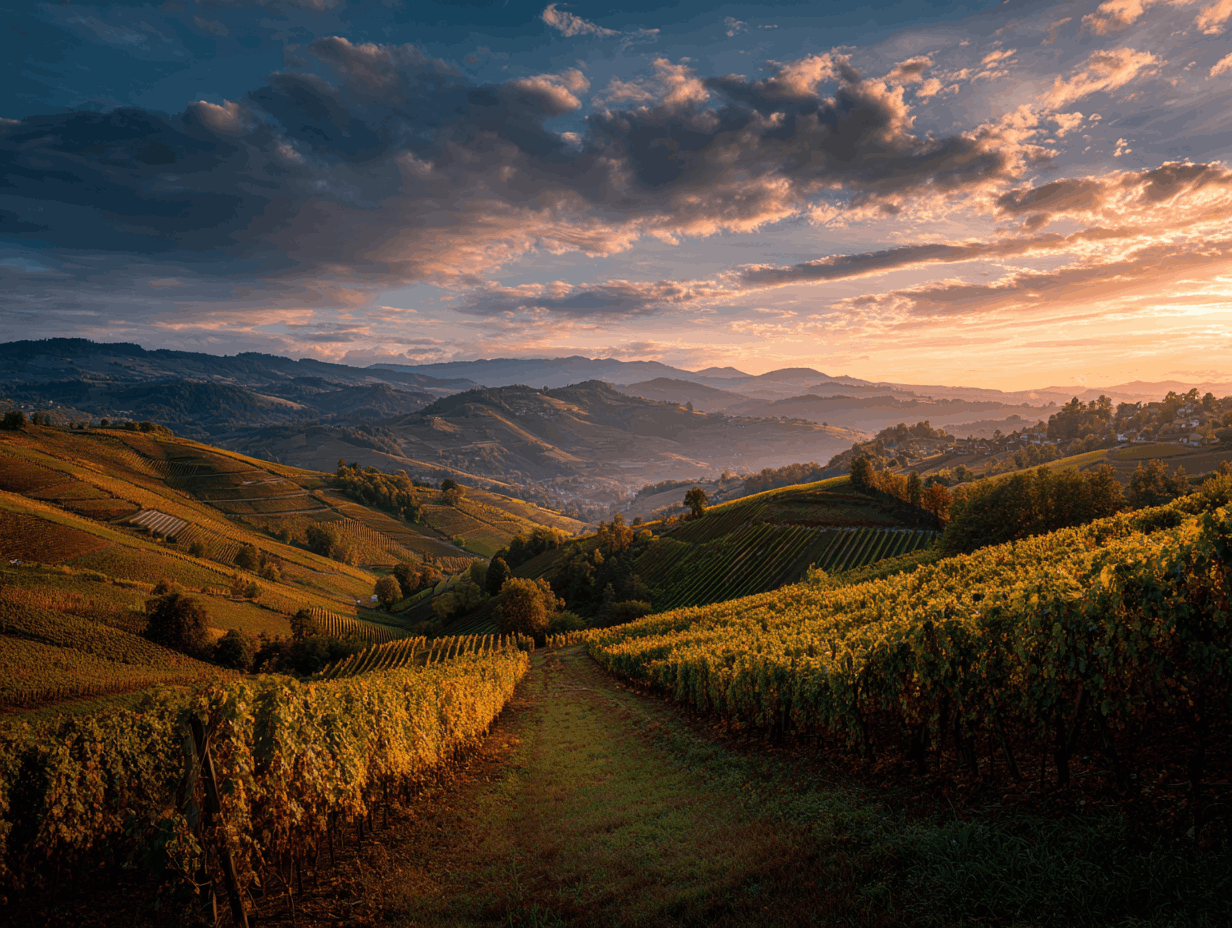
Europe offers some of the gentlest slow-travel gateways. A stone farmhouse in Provence, France, surrounded by lavender fields that bloom in June-July, or olive groves the rest of the year, with just four or five guest rooms, a shared kitchen garden where you can pick herbs for your own dinner, and no set schedule. Rates hover around 120-180 euros a night with breakfast, and the owners are happy to lend you an old bike for meandering to the village market twice a week. Spend mornings with coffee under a plane tree, afternoons napping in a hammock or walking vineyard paths so quiet you hear your own footsteps. It's perfect for couples who want to rediscover each other without distractions, or solos who need space to think. Another favorite is a seaside cottage on Scotland's Isle of Skye, wild Atlantic views, peat fire in the sitting room, sheep as neighbors. Book for late spring or early autumn when midges are fewer and light lasts forever, 10-14 days lets you hike one trail slowly, read by the window when it rains, and let the place seep into your bones. These spots teach you that slow isn't boring, it's rich.
In Asia, slow travel finds its deepest roots. A bamboo eco-lodge in northern Thailand's Chiang Dao mountains, elevated bungalows with mosquito-netted beds, river below for dipping toes, vegetarian meals cooked with whatever grows nearby. Around 60-100 USD a night, including those meals, best from November to February when nights are cool and mornings crisp. No Wi-Fi in rooms on purpose, just a communal spot if you really need it. Days here mean gentle yoga at dawn if you feel like it, or sitting with a book while monkeys play in the canopy. Solo travelers melt into the quiet, couples find long conversations flow easier without city noise. Or consider a traditional ryokan in Japan's Kinosaki Onsen, wooden corridors, private outdoor baths fed by hot springs, kaiseki dinners brought to your room. Book for fall when maples blaze red, or winter for snow-dusted walks between baths. It's structured relaxation, the rituals of soaking and eating slowly become the whole point, and 5-7 nights is enough to reset your internal clock. These places remind you that depth comes from repetition, doing one simple thing well instead of ten things halfway.
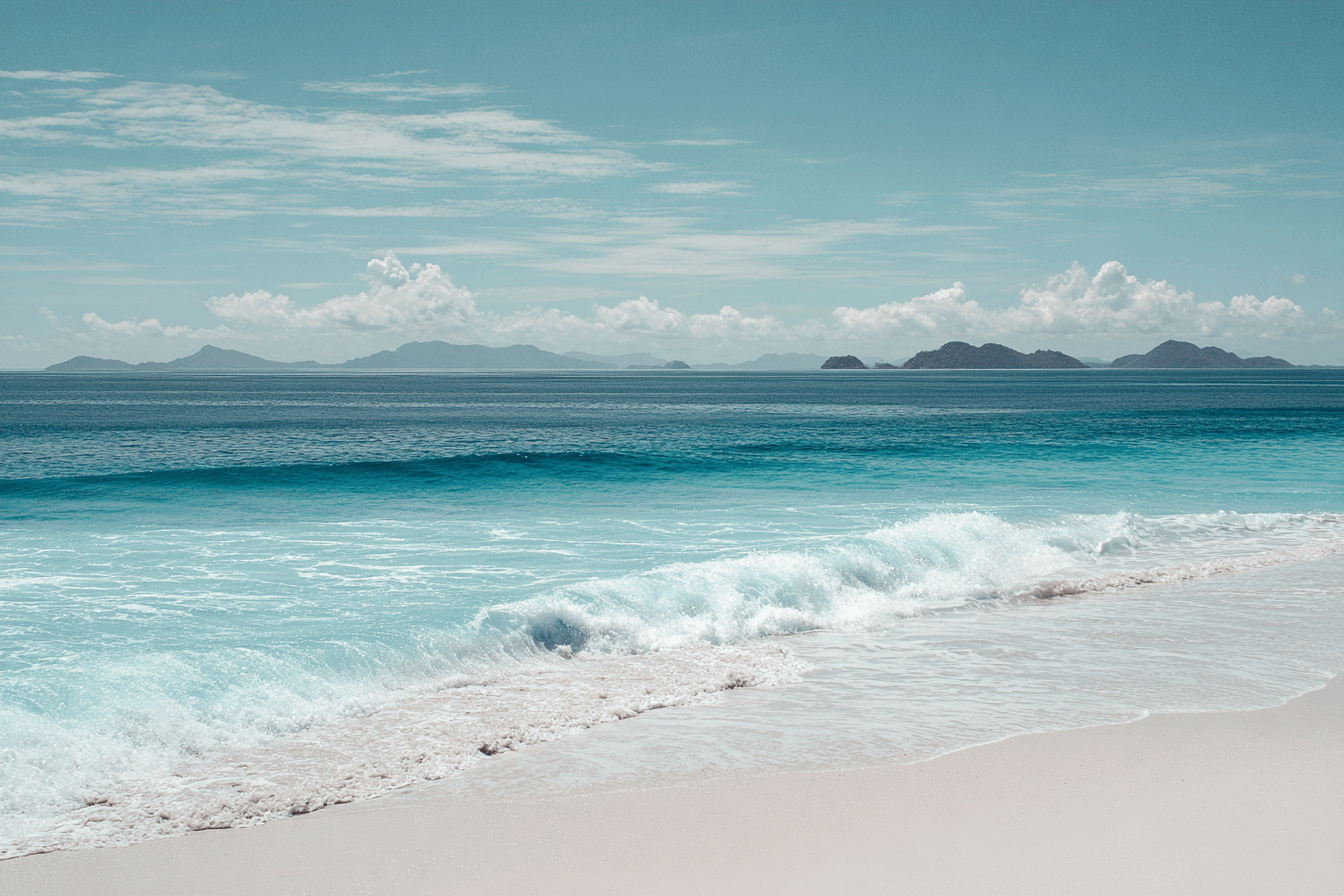
Closer to wilder edges, think mountain lodges in Peru's Sacred Valley, adobe walls thick enough to keep the altitude chill out, fireplaces, views of snow peaks without effort. Around 80-150 USD, including hearty Andean breakfasts with quinoa and fresh cheese. Dry season June-August gives clear skies for sunrise walks to tiny Inca sites no tour buses reach. Stay put for two weeks, let your body adjust, read about local myths, help in the garden if invited. It's grounding for anyone burned out by fast life. Or coastal retreats in Portugal's Alentejo region, whitewashed houses steps from empty Atlantic beaches, outdoor wood-fired ovens for slow-cooked stews, rates 90-140 euros. Spring or fall, when the sea is still swimmable but the crowds gone. Walk the cliffs at low tide, collect sea glass, nap in the shade of cork oaks. These are for people who want nature close but not extreme, solitude without loneliness.
My honest take after too many rushed trips: slow travel changed how I see the world. The first time I stayed put in one village for three weeks, I thought I'd get bored. Instead I learned names of stray cats, memorized the rhythm of church bells, tasted the same bakery croissant every morning until it felt like home. Don't chase Instagram spots, chase the small rituals that make a place yours, brewing tea the local way, watching light move across a wall, walking the same path until you notice new details. If your mind races at first, that's normal, give it a few days to catch up. Choose stays with no forced activities, places that let you do nothing beautifully. You'll come back quieter, fuller, and weirdly more productive in real life because you've remembered what rest actually feels like. Slow isn't lazy, it's deliberate. And once you taste it, fast never quite satisfies the same way again.